
Japanese Tile Firing
Oxidation vs. Reduction
In Japanese tile-making, the kiln is not simply the final stage of production. It is part of the making itself.
The atmosphere inside the kiln, the balance of flame, oxygen and heath, can fundamentally change the character of a glaze, bringing clarity to colour or creating the subtle variation that makes a surface feel alive.
At Makani, we work with specialist Japanese factories, each with its own expertise in firing. This allows us to select the firing method that best suits a particular tile, finish and project: the clarity of oxidation firing, or the expressive depth of reduction firing.
The distinction is technical, but its effect is visual.
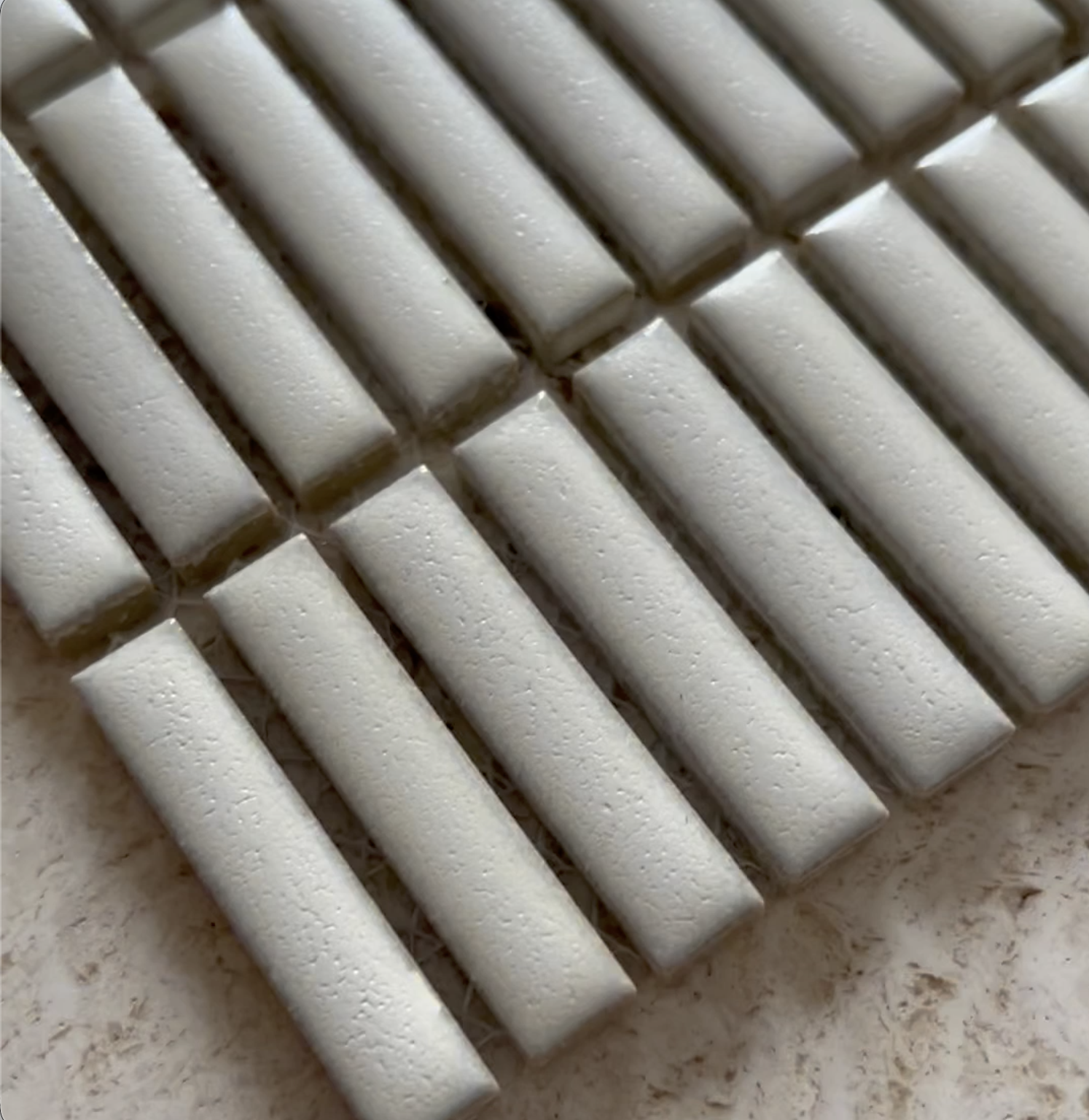
Sanka (酸化) | The Clarity of Oxidation
In oxidation firing, known as Sanka shōsei, the kiln has a full supply of oxygen. The flame burns cleanly, creating a steady atmosphere and more consistent results.
This clarity allows glazes and clays to retain their natural colour characteristics.
For projects where colour, consistency and a sense of quiet harmony are important, oxidation firing offers a precise approach. Our Japanese factories use the process to achieve clean, reliable tones across a collection, giving designers the consistency needed when a tile is intended to read as part of a larger architectural composition.
Kangen (還元) | The Drama of Reduction
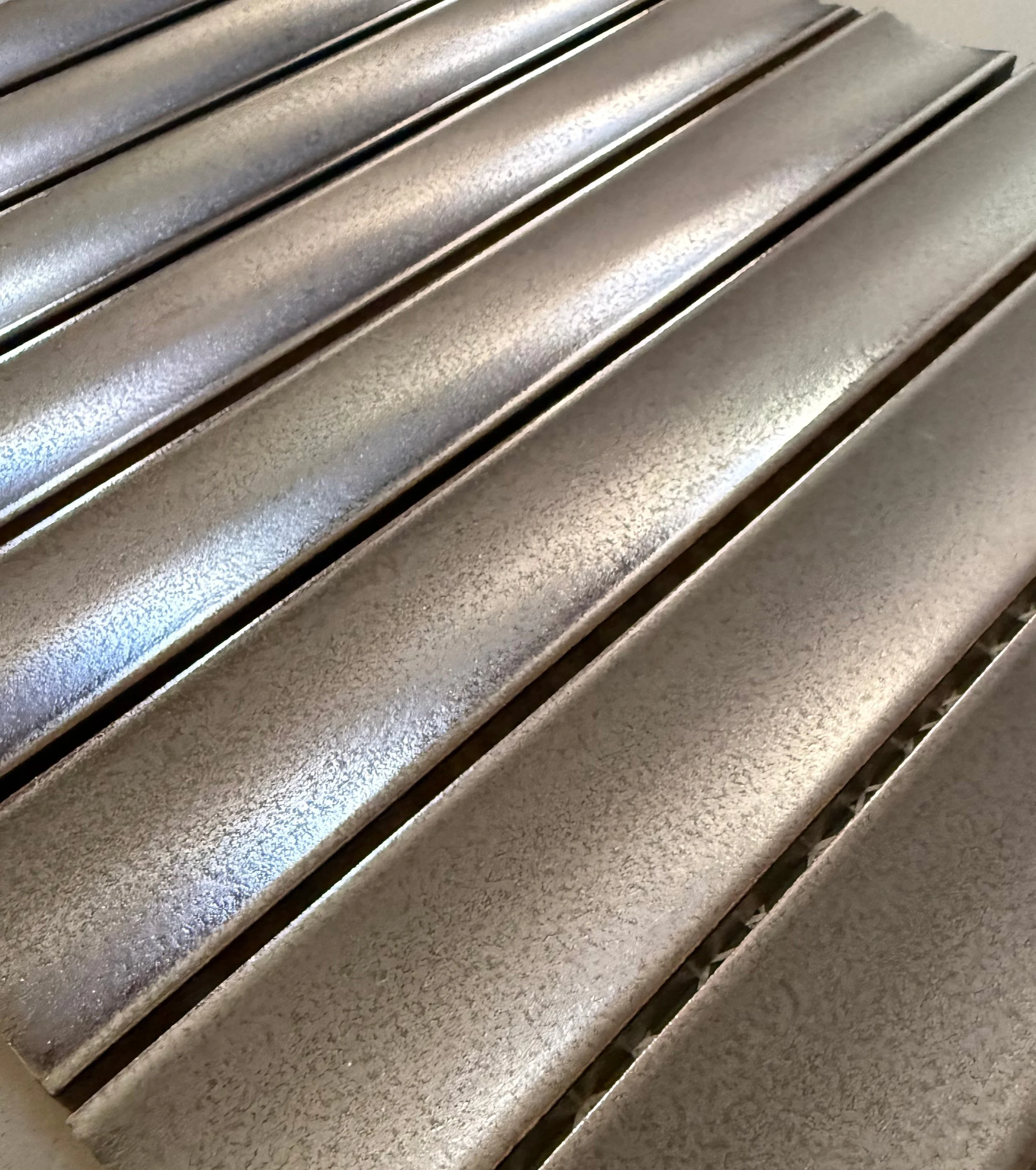
Reduction firing, or Kangen shōsei, takes the process in another direction.
By deliberately restricting oxygen within the kiln, combustion becomes incomplete and the materials respond differently. Copper can transform into brilliant reds, while iron may develop earthy celadon greens or deep tenmoku browns.
Reduction firing also creates the conditions in which Yūhen (釉変) can emerge, subtle shifts and variations within the glaze created by the interplay of flame, heat and atmosphere.
These changes cannot be completely controlled. They can, however, be guided.
It is this tension between control and unpredictability that gives reduction-fired Japanese tiles their particular depth. Surfaces shift gently from tile to tile, creating movement and character without losing the sense of cohesion required across a considered interior.
Guided by Fire
The technology may be modern, but the relationship between maker and kiln remains remarkably tactile.
Even in contemporary kilns, firing atmospheres can be adjusted by hand. Makers open and close dampers to influence the flame, observing its colour and responding to the kiln as it fires.
It is this dialogue between craft and combustion that gives Japanese ceramics their extraordinary range of surface, tone and depth.
The kiln does not simply finish the tile.
It becomes part of its character.
Crafted for the Project
Our relationship with specialist Japanese factories allows us to work with both Sanka and Kangen firing, giving our clients genuine choice in how a tile is made and, ultimately, how it will feel within a space.
Oxidation offers clarity and consistency. Reduction introduces depth, movement and variation.
Neither is inherently better. Each brings a different quality to the clay and glaze, and the right choice depends on the character of the collection and the architecture it is intended to inhabit.
For Makani, this is where Japanese tile-making becomes particularly compelling: the finished surface is shaped not only by clay and glaze, but by the atmosphere in which it is fired.
Fire gives the tile life. The atmosphere gives it character.