
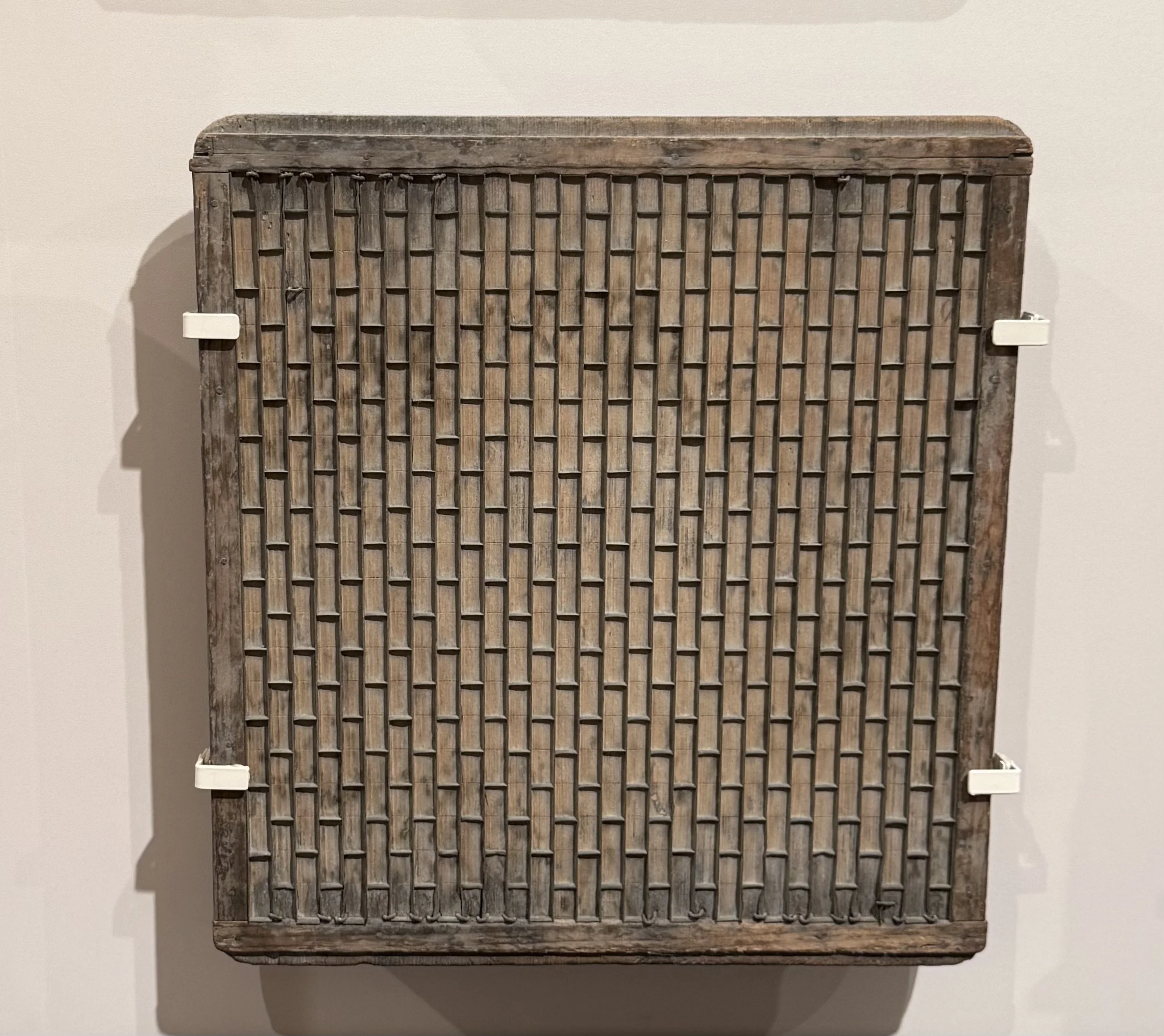
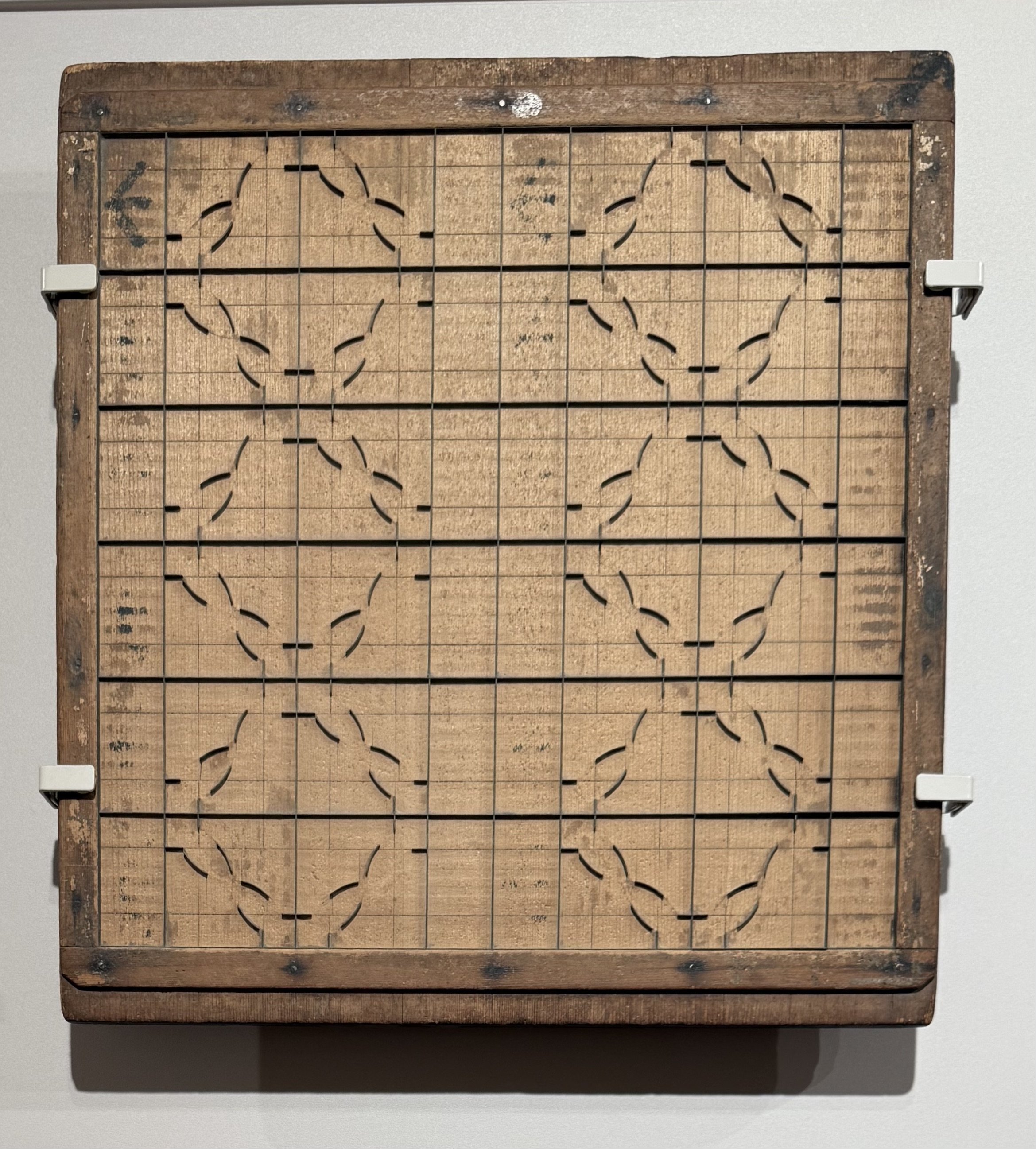
Hariban Boards.
The Human Touch Behind Japanese Tiles
In Japan, beauty often lives in the unnoticed. Between the rhythm of kilns and the scent of raw clay lies a quiet ritual that anchors the entire Japanese craftsmanship tradition -making process - the use of Hariban boards.
A Gentle Process
In traditional tile workshops across Tajimi, the Hariban [or hari-ban] is a humble wooden board, yet it holds the power to bring order and harmony to thousands of individual mosaic tiles. Each tile is hand-placed onto these boards to form a larger composition - a pattern assembled not by machines but by the instinctive precision of human hands.
When the sheet is ready, it’s mounted to its paper facing, ready to be fixed to a wall. Once the paper is lightly wetted and peeled away, the design emerges in full, seamless, balanced, alive.
It is here that one begins to understand Japanese tile-making: repetition not as labour, but as devotion. Every gesture carries intent. Each tap of a fingertip, each adjustment of alignment, is guided by feel as much as by sight. A clear, ringing sound tells the maker the tile is perfect. A duller tone whispers of imperfection, and that piece quietly returns to clay, ready to begin again.


The Hariko Ladies
At the heart of this ritual are the Hariko ladies, women whose experience is measured not in years, but in sensitivity. They work in stillness, their movements precise, almost meditative. Their hands glide across surfaces, detecting texture changes invisible to the eye. They listen — not only to the sound of tiles being tapped, but to the silence between those sounds, reading it for truth.
They see the balance between glazes and notice when a tone of blue feels too cold, or when a line of crackle needs to shift ever so slightly. Machines can count, but they cannot feel harmony and that is what the Hariko ladies create.
The Value of Care
When a finished mosaic sheet leaves their table, it carries something intangible, a quiet integrity. By the time the tiles are boxed, they have already passed through countless moments of human care, patience, and intuition.
In the world of Japanese ceramics, this is where artistry hides: in the unseen steps, in the hands that refuse to rush, and in the devotion to perfection that feels effortless.
The Hariban board may be simple, but it represents something profound - the bridge between maker and material, between discipline and grace.
At Makani Collective, we honour these invisible gestures. Each Japanese tile we share carries their spirit, the sound of fingertips tapping clay, the soft rhythm of human care that turns earth into art.