
Japanese tiles x New York
Hand shaped in japan - now shaping the east coast
MAKANI Collective brings handcrafted Japanese ceramic tiles to New York, working with skilled makers and small workshops across Japan. Our curated collections explore colour, glaze, texture and form, bringing the character of Japanese ceramics into architectural interiors.
We work with architects, interior designers and private clients across New York and the East Coast, with collections specified for residential, hospitality, retail and commercial projects. Alongside our collections, we offer bespoke sourcing and customisation for projects requiring a particular colour, format or finish.
Our Japanese ceramic wall and floor tiles can be used across bathrooms, kitchens and larger architectural surfaces. Samples and specification support are available for projects throughout the US, with selected collections held in US stock.
concave tiles
Layered Bathroom Textures Meet Urban Calm
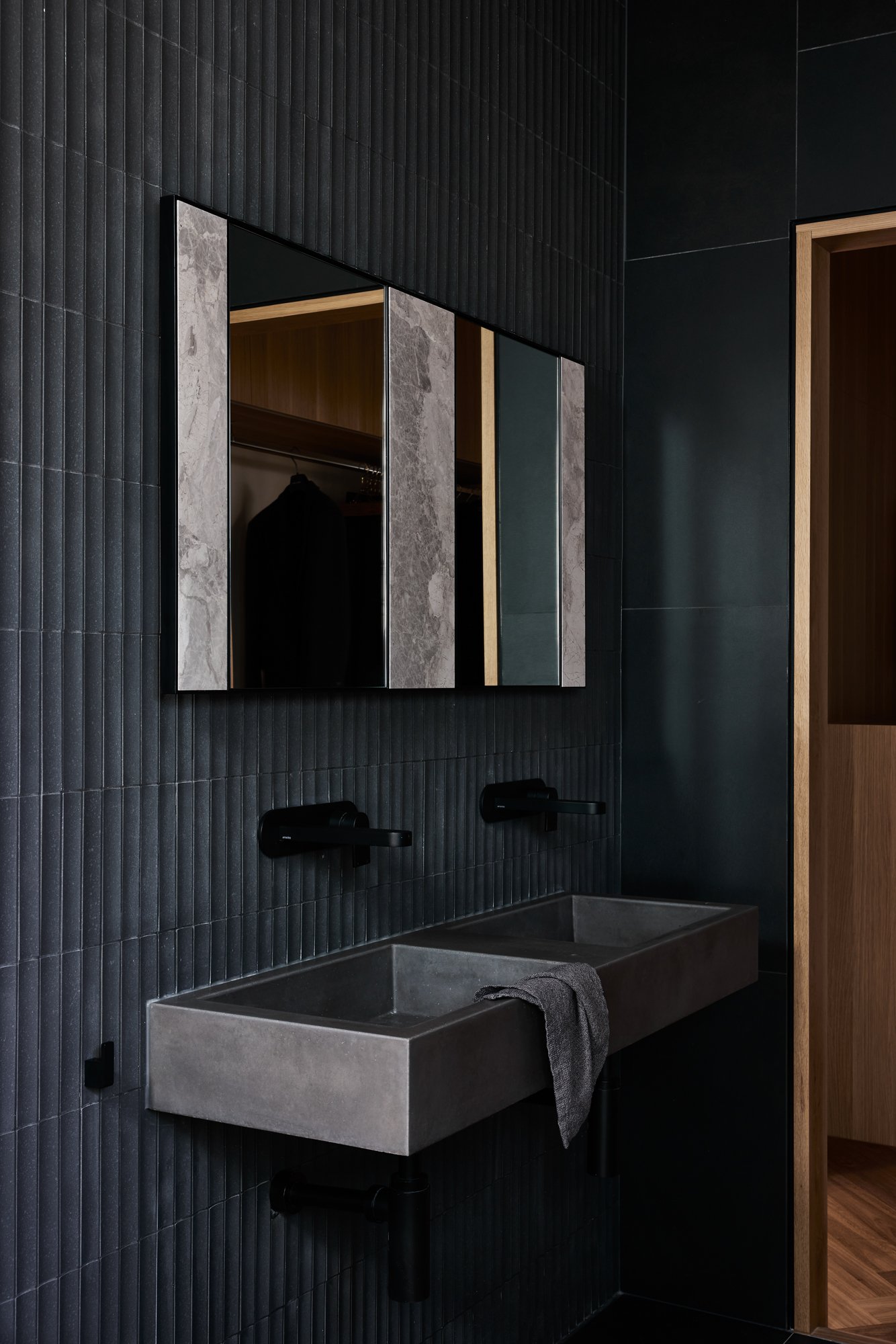
This private residence underwent a thoughtful bathroom renovation, exploring the possibilities of working within the constraints of a dense urban setting. The home balances purpose with intrigue through a careful interplay of space, texture and material.
In the bathroom, inspiration was drawn from the traditional Japanese cedar bathtub, complemented by handcrafted Japanese concave wall tiles. Their layered texture and tonal depth sit naturally alongside the cedar, bringing together Japanese ceramic and bathing traditions within the interior.
The dark tiled walls create depth around the restrained palette of stone and timber, while the concave ceramic surface gives the bathroom a quiet sense of warmth and character.

yumi tiles
JAPANESE RED TILES FOR RETAIL INTERIORS
YUMI tiles in Saddle Red bring warmth and depth to this retail interior, their rich, earthy colour set against the restrained architecture of the space. Handcrafted in Japan, the ceramic tiles are laid diagonally across the walls and integrated display plinths, allowing the material to become part of the architecture rather than simply its surface.
The depth of the red glaze shifts across the installation, giving the tiled surface character and movement. Extending YUMI from wall to display creates a continuous material language throughout the interior, while the geometric arrangement gives structure to the richness of the colour.
The result is expressive without becoming decorative, a retail environment shaped through colour, material and Japanese ceramic craftsmanship.


